Publication Strategy & Transformation
Redesigned a legacy quarterly report into a magazine-style publication that increased public engagement, supported outreach initiatives, and reduced production costs by 86%.
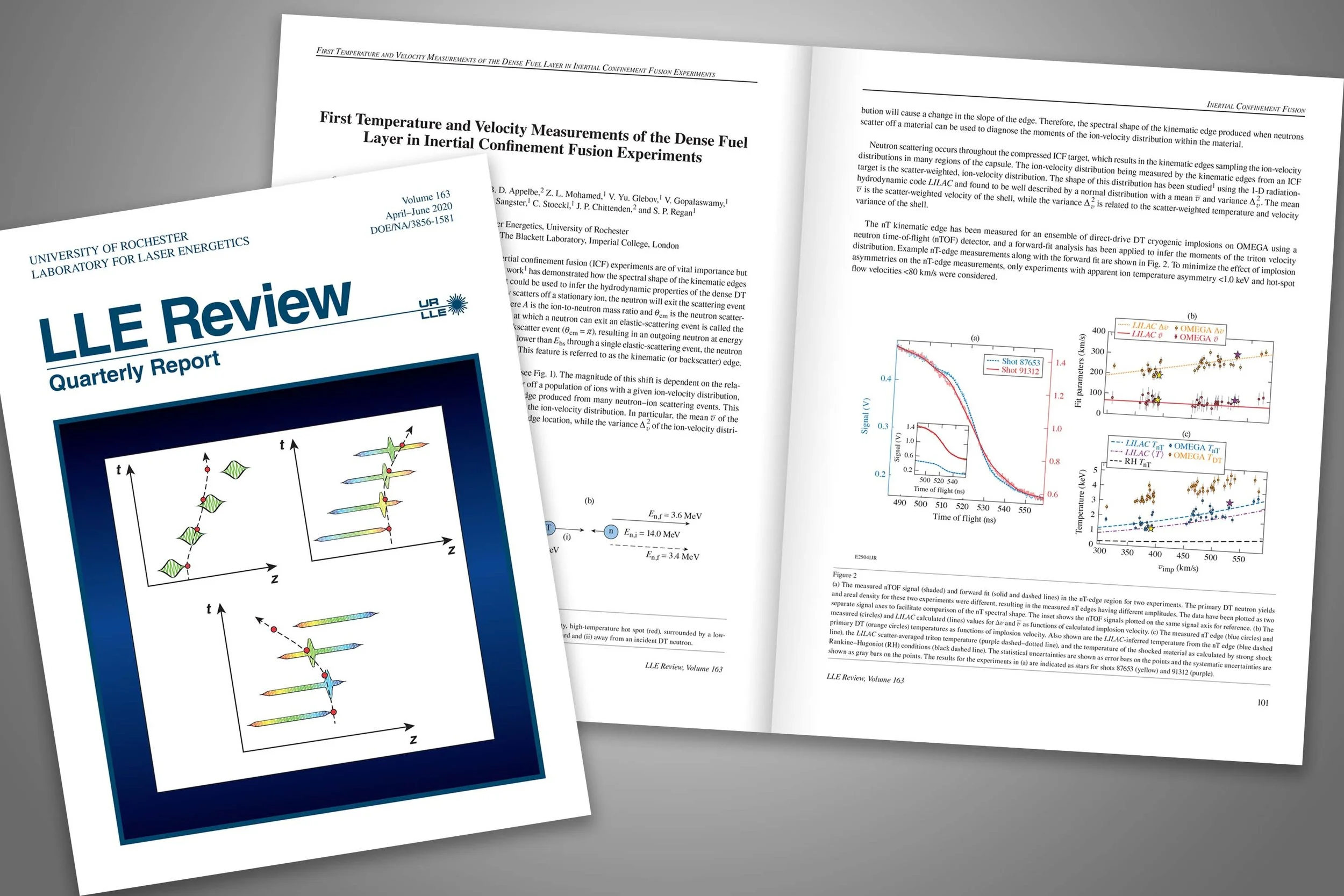
The Challenge
Legacy quarterly reports were dense, expensive, labor-intensive, and low engagement
Publications ranged from 100–300 pages, making them difficult to consume and costly to produce
Content duplicated existing information
Reports were not optimized for digital sharing or broader audiences
Publications were frequently discarded or ignored
Communications were internally focused instead of outreach-focused
Needed to support broader institutional visibility and stakeholder engagement
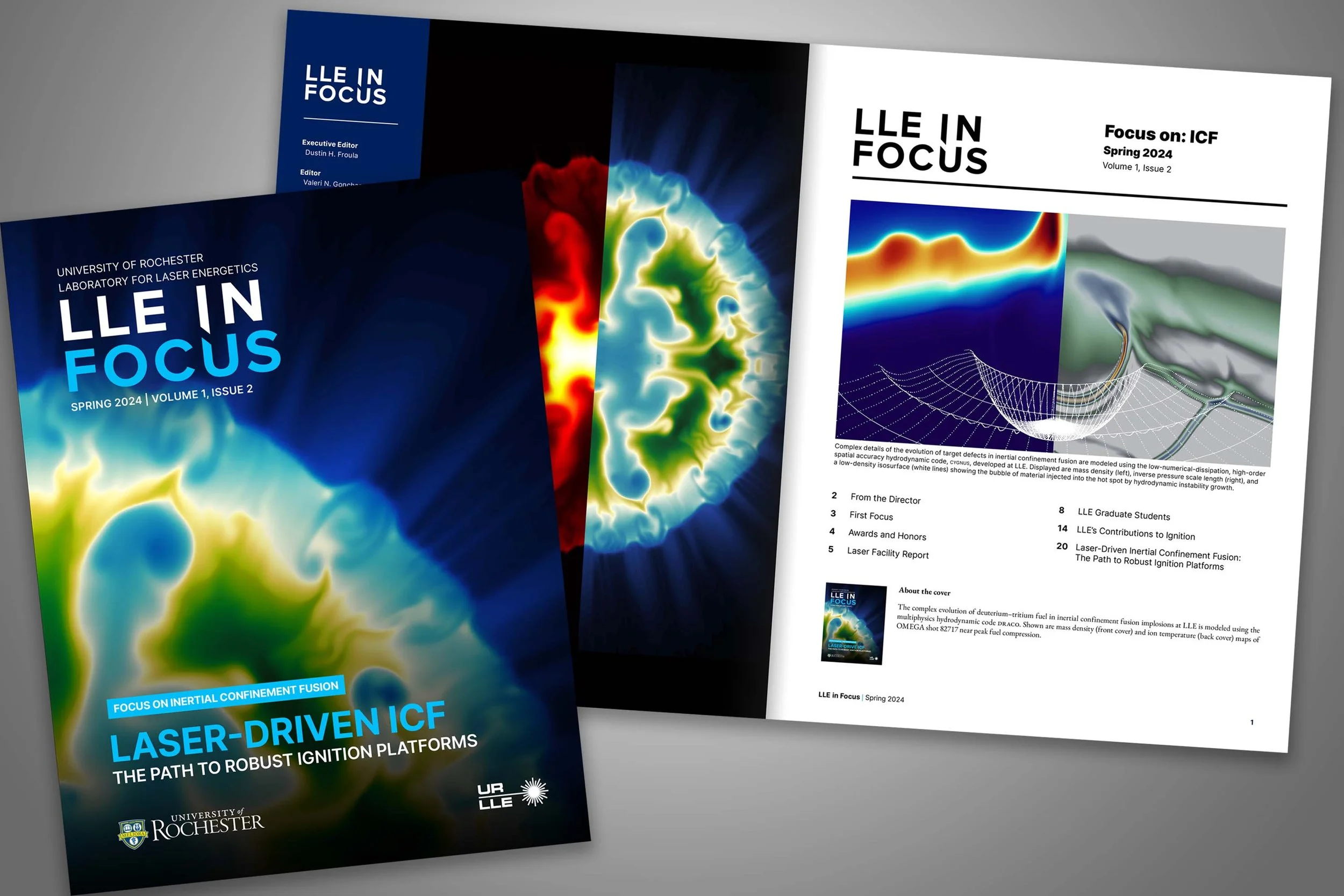
Strategic Shift
Led the redesign of the laboratory’s quarterly publication to improve effectiveness
As Creative Director, I helped shape editorial direction while overseeing illustration, design, photography, production, and distribution
Shifted from technical reporting to a magazine-style with shorter, highly visual stories to engage both technical and nontechnical audiences
Repositioned the publication as a communications tool for outreach and stakeholder engagement
Extended content beyond print into integrated web stories
Sourced a new local print vendor and transitioned from costly offset printing to a more efficient digital production model
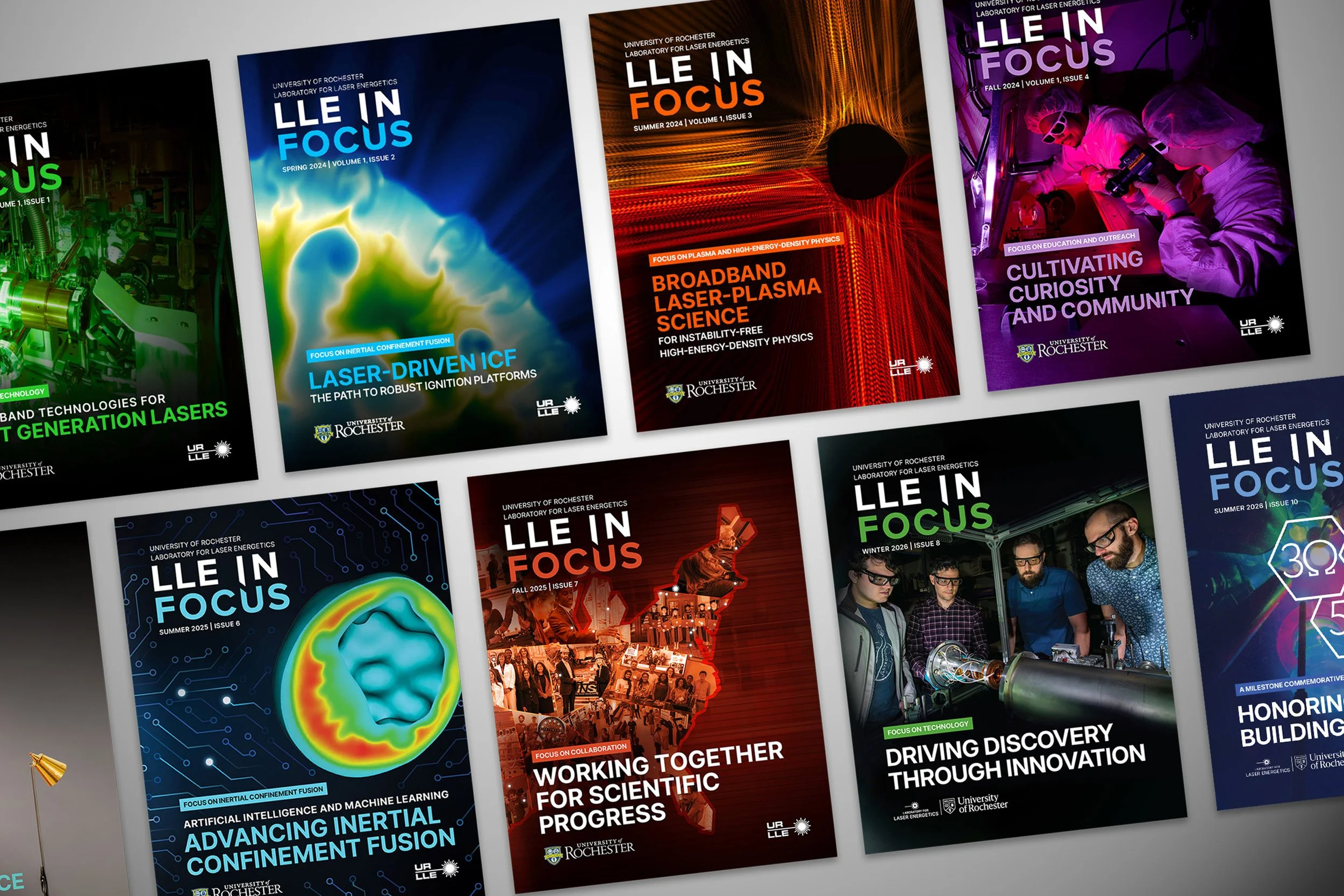
Impact
Lowered production costs by 86%
Reduced publication length from 100–300 pages to 25–40 pages
Expanded the publication from an internal report into a widely distributed communications and outreach tool
Publications are regularly displayed and distributed during tours, outreach events, career fairs, and visits with elected officials
Established an integrated print, web, and email communications model that expanded the reach and longevity of publication content